
2025 Mid-Year Horizon Report: Why Now Is the Time to Think Differently
Fortified Health Security just released its biannual 2025 Mid-Year Horizon Report, offering a unique view into what is really happening inside cybersecurity at hospitals, healthcare systems, and their extended digital environments. At the midpoint of 2025, we’re seeing healthcare organizations take cybersecurity more seriously, investing in innovative tools and better frameworks; however, some of the […]
Helping Rural Hospitals Maximize Cybersecurity Budgets

Rural hospitals understand adversity as leaders are always dealing with pressures like tight operating margins and limited resources, especially when it comes to cybersecurity budgets. As these hospitals push to deliver care in some of the nation’s most underserved regions, cybersecurity challenges are becoming increasingly difficult to ignore. A recent survey by Black Book Research […]
CISO Brief: AI Zero-Days & Holiday Threats; What Healthcare Must Prepare for Now
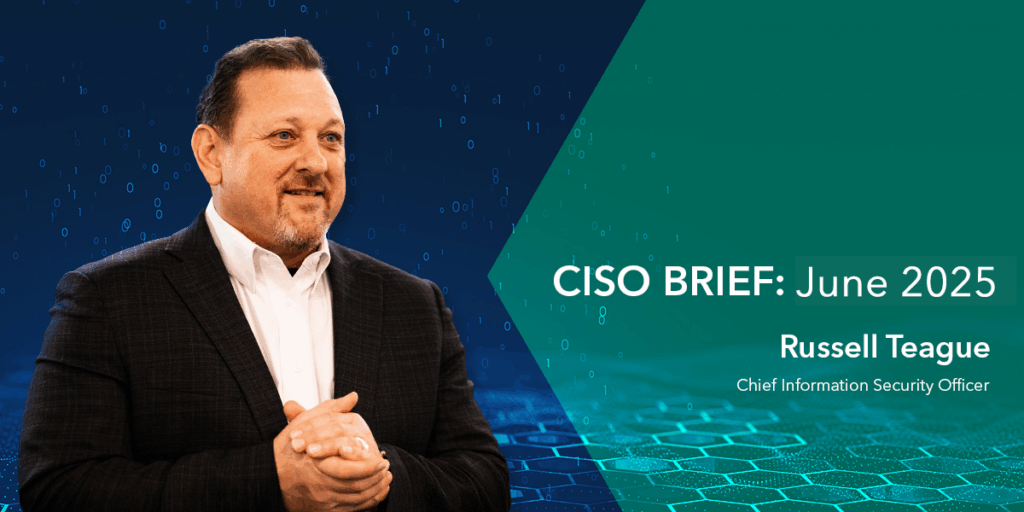
Over the past month, AI vulnerabilities, delayed breach disclosures, and geopolitical tensions have created new challenges for cybersecurity leaders in healthcare. In this CISO Brief for June 2025, we take a closer look at the month’s top threats and headline-making events – from the first known AI zero-day exposure in Microsoft 365 Copilot (“EchoLeak”) to […]
How Managed XDR Strengthened Cyber Defense at a Vermont Hospital

In rural northeastern Vermont, where resources are limited and teams wear multiple hats, Northeastern Vermont Regional Hospital (NVRH) faced a familiar cybersecurity challenge: too much noise and inadequate protection. To address this, they turned to managed xdr solutions. “Before XDR, I was up every night,” said Michael DeCota, NVRH’s Senior Infrastructure Architect & Security Analyst. […]
Why Healthcare Needs a Different Kind of SOC
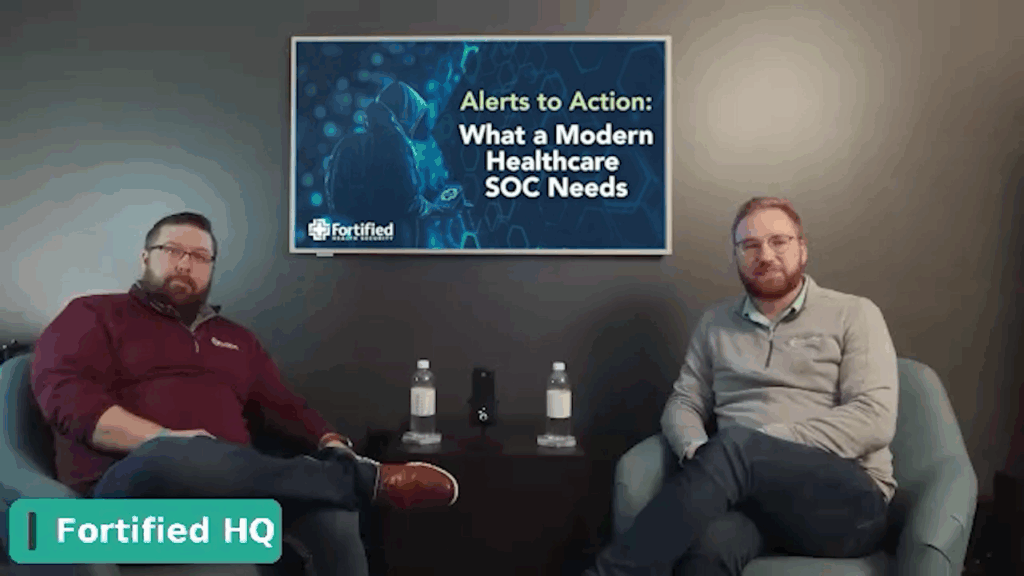
What works in a traditional SOC can fail in a hospital, and the consequences are far more human. During Fortified Health Security’s recent webinar, Alerts to Action: The Needs of a Healthcare SOC, Fortified’s VP of Threat Services, Preston Duren, and Director of Threat Defense, Jake Bice, took a deeper dive into the differences between […]
Why Tactics Matter in Cybersecurity: Rethinking the Way Healthcare Defends

In a recent Fortified Health Security webinar, T.J. Ramsey, Senior Director of Threat Operations, delivered a pointed message: strategy alone won’t protect healthcare organizations from cyber criminals. Tactical execution is what makes the difference. As cyber threats grow in speed, scale, and sophistication, it’s not just about knowing what to do, but about having the […]
CISO Brief: May 2025 Recap – Ransomware Trends, Endpoint Evasion, and the Kettering Health Breach

In our CISO Brief looking at May 2025, we saw threat actors sharpening their techniques and targeting healthcare organizations in ways that challenge our traditional security assumptions. New endpoint evasion tactics, a shift in ransomware strategy targets, and the ransomware group that targeted DaVita may have struck again. This time, it was a different healthcare […]
April 2025 CISO Brief: Behind the Cyber Threat Headlines
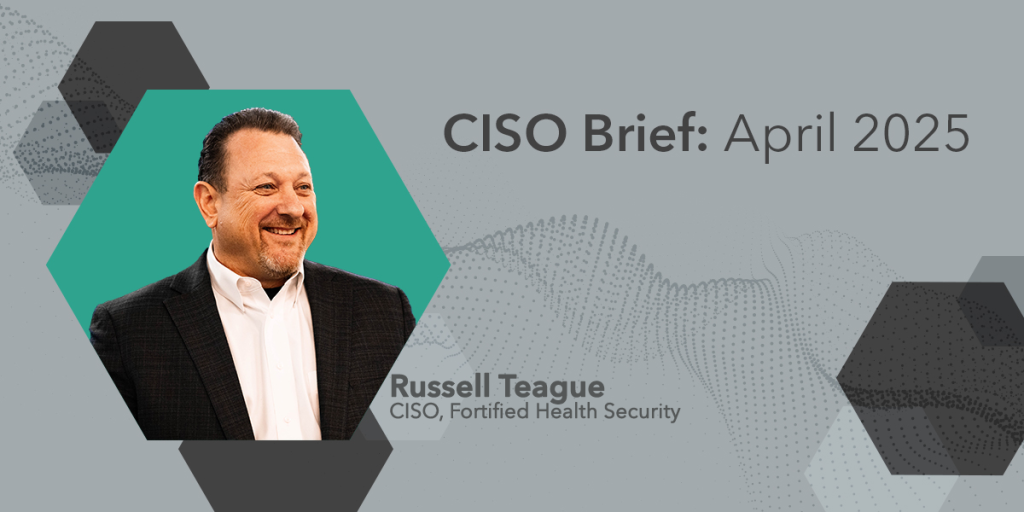
Fortified’s Threat Services Team tracks the most pressing cyber threats targeting the healthcare sector each month. April’s activity surrounding PipeMagic ransomware, Oracle’s dual breach allegations, and the news regarding the DaVita ransomware attack illuminate a stark reality: the healthcare sector is under sustained siege from sophisticated threat actors intensifying their focus on healthcare’s legacy systems, […]
The Evolution of TPRM in Healthcare: From Spreadsheets to Strategic Change

Third-party risk management (TPRM) is no longer a nice-to-have in healthcare; it’s a strategic necessity. Healthcare organizations are under growing pressure to manage third-party risk more effectively. High-profile incidents like the Change Healthcare breach have shown just how deep the ripple effects of a vendor issue can run; impacting operations, financial systems, and patient care […]
5 Ways to Lower Cyber Insurance Premiums

Investing in cybersecurity controls and cyber insurance has never been more critical with constantly evolving and increasing cyber threats, particularly in the healthcare sector. I recently hosted a Fortified Health Security webinar outlining the rising cost of cyber insurance, the steps organizations can take to bolster their cybersecurity posture, and methods to lower the cost […]